
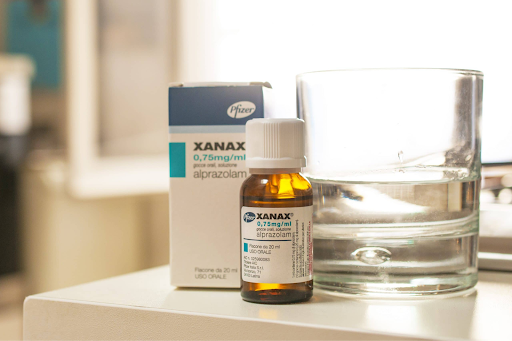
1. Relief from Severe Anxiety and Panic Disorders:
- Primary Use: Xanax is primarily prescribed for managing anxiety and panic disorders. It acts on the central nervous system by enhancing the effects of a natural chemical in the body called GABA (gamma-aminobutyric acid), which promotes relaxation and reduces anxiety levels.
- Quick Relief: Unlike some other anxiety medications, Xanax works relatively quickly, often providing relief within an hour of consumption, making it highly effective for acute panic attacks.
2. Helps with Sleep Disorders:
- Inducing Sleep: For individuals who struggle with insomnia or other sleep disorders due to anxiety, Xanax can be beneficial. Its sedative effects help in calming the mind and body, making it easier to fall asleep.
- Improved Sleep Quality: Beyond just falling asleep, Xanax can help in improving the overall quality of sleep by reducing the time it takes to fall asleep and increasing total sleep duration.
3. Muscle Relaxation:
- Alleviating Muscle Tension: Xanax has muscle relaxant properties, which can help alleviate muscle tension and spasms that often accompany anxiety and stress. This can be particularly useful for those who experience physical symptoms of anxiety, such as tightness in the chest or neck.
4. Support in Managing Depression:
- Co-occurring Conditions: While not primarily an antidepressant, Xanax can help manage symptoms of depression, particularly when anxiety and depression co-occur. By reducing anxiety, Xanax can indirectly alleviate some depressive symptoms, providing a sense of calm and stability.
5. Assistance with Alcohol Withdrawal:
- Withdrawal Management: Xanax is sometimes used to help manage the symptoms of alcohol withdrawal. It can reduce the severity of withdrawal symptoms, such as anxiety, agitation, and seizures, making the detoxification process more manageable.
6. Support for Those with IBS (Irritable Bowel Syndrome):
- Alleviating IBS Symptoms: Anxiety is a known trigger for IBS symptoms. By reducing anxiety levels, Xanax can indirectly help manage IBS symptoms, leading to fewer flare-ups and less discomfort.
7. Help in Coping with Phobias:
- Short-Term Relief: For individuals with specific phobias, such as fear of flying, Xanax can provide short-term relief by reducing the intense anxiety and panic that these situations can trigger. It’s often used before facing a feared situation to help manage symptoms.
8. Reduction of Tension Headaches:
- Headache Relief: Tension headaches, often caused by stress and anxiety, can be alleviated with Xanax due to its muscle-relaxing and anxiety-reducing effects. This can be particularly helpful for those who experience frequent headaches as a result of stress.
9. Enhanced Confidence in Social Situations:
- Social Anxiety Management: For individuals with social anxiety disorder, Xanax can provide temporary relief by reducing anxiety in social situations, allowing them to interact more comfortably and confidently.
10. Improvement in PTSD Symptoms:
– Trauma-Related Anxiety Relief: Xanax can help reduce the anxiety and panic associated with PTSD (Post-Traumatic Stress Disorder). It can be used as part of a broader treatment plan to manage trauma-related symptoms.
11. Control Over Tremors:
– Reducing Tremors: In some cases, Xanax is used to manage tremors associated with anxiety or other neurological conditions. By calming the nervous system, it can help reduce the severity of these tremors.
Important Considerations:
While Xanax can offer many benefits, it’s important to use it under the guidance of a healthcare professional. The drug has a high potential for dependence, and its use should be carefully monitored to avoid addiction and other adverse effects. It’s also crucial to understand that while Xanax can provide temporary relief, it is not a long-term solution for anxiety or related conditions.